


Spiritual Direction
Spiritual Direction is different than counseling, coaching, or mentoring. It is a holy conversation between God, the directee, and the Spiritual Director. A Spiritual Director is someone who creates space for the Holy Spirit to speak to the directee, who helps the directee discern God’s voice in and through all things, and equips the directee with knowledge and practices that can aid him or her on a journey of discovery with Jesus.
Our Directors
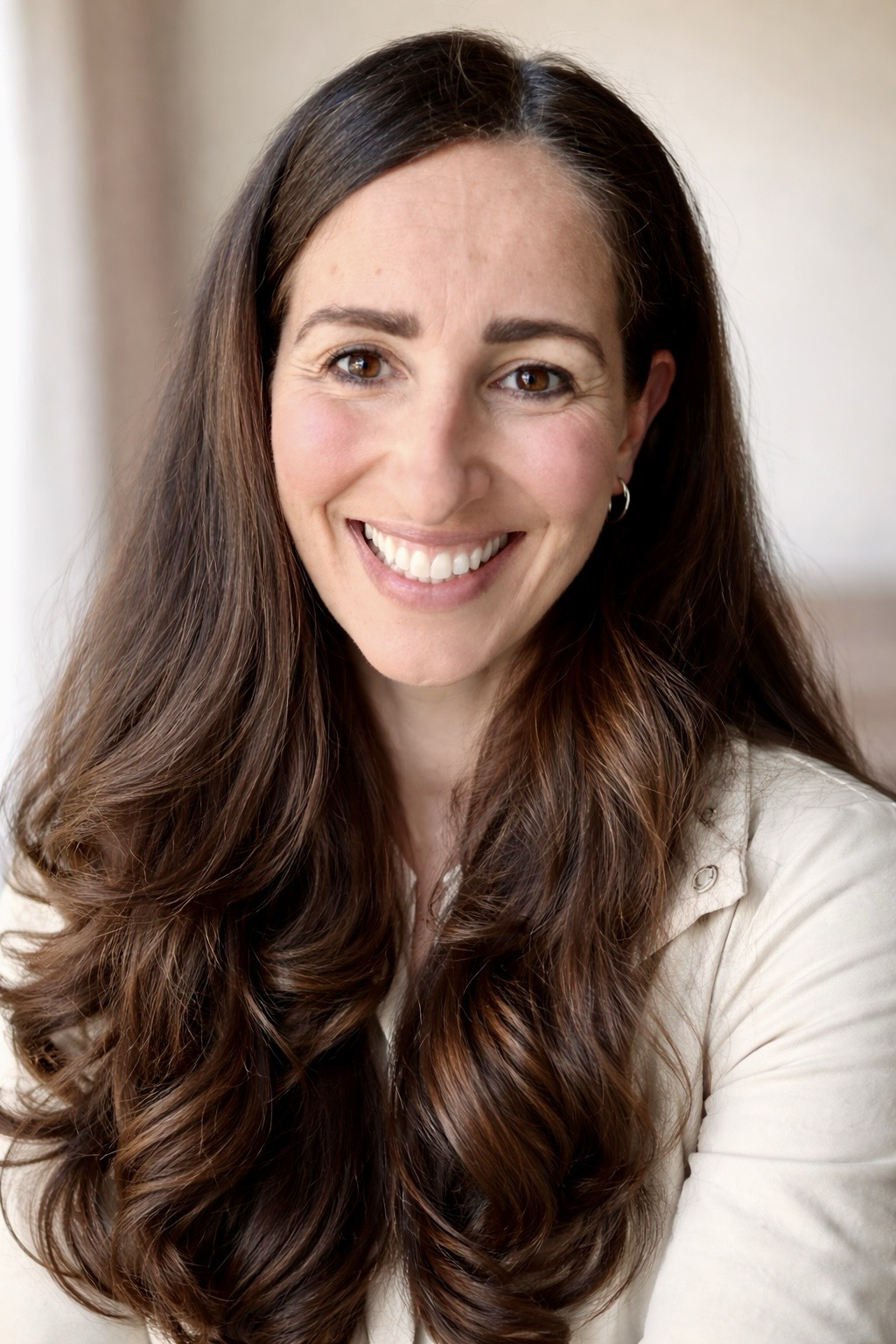
Sara Carrara Di Fuccia, MA
Co-Founder & Executive Director
Director Somatic Spirituality & Leadership
| Platform to Table
Having served in leadership for more than 20 years, I understand that leaders need someone with whom they can share their deepest spiritual questions, failures, pain, and dreams. I believe a Spiritual Director can be a “spiritual friend”—someone who is trained to hold these conversations with confidentiality and deep concern for the leader’s higher good.
-
I was baptized in the Catholic church as an infant, but was raised in the Assemblies of God church from the age of 5. At the age of 19, I sensed a calling to full-time ministry, and served in lay and pastoral leadership in the Assemblies of God Church for 8 years.
I then went to seminary and joined the non-denominational church. I earned my MA in Practical Theology, MA in Human Services Counseling, and my credentials as a Leadership Coach.
Between 2010-2017, I was ordained as a minister and commissioned by the non-denominational church as a full-time missionary, founded a service and missions ministry in England, and later returned to the States to serve as the Associate Director of Campus Ministries and Director of Leadership Development, Life Groups, and Outreach at Regent University in Virginia Beach.
-
In 2017, I sensed God calling me from my platform of leadership to “the Table”. My journey has been shaped by Anglo-Catholic theology, contemplative spirituality, 12-Step spirituality, and living and working at a Camaldolese Benedictine monastery.
Contemplative spiritual practices like contemplation, silence, solitude, stillness, simplicity, Eucharist, Spiritual Direction, and liturgy have facilitated my journey inward, to the Table at the center of our being, where our authentic self is made whole and finds its home in communion with the Trinity.
I have been formed by the writing and lives of Saint Ignatius of Loyola, Teresa of Avila and John of the Cross, Francis and Clare of Assisi, Teresa of Calcutta, Thérèse of Lisieux, Joan of Arc, and Julian of Norwich, along with more modern contemplatives like Thomas Merton and Henri Nouwen.
During this time, I completed SoulCare and participated in SoulLead through WellSpring ministries—nine month spiritual formation cohorts for pastors and leaders in Ignatian Spirituality.
I spent a great deal of time in my camper van visiting the National Parks in the US and Europe on self-guided multi-day hiking pilgrimages. I also began practicing yoga in 2018, and obtained my advanced certification as a 500HR yoga instructor in 2021. Lastly, I have been a member of the Al-Anon 12-Step program since 2015.
-
My God-image and understanding of my vocation has been (re)formed as a “ministry of presence” and solidarity, first and foremost, with Jesus, and with those who have said “yes” to the call (and cost) to the contemplative life, and who have or are experiencing suffering, loss, and prolonged grief with a history of attachment and spiritual trauma. I feel particularly called to accompany those who are discerning what God’s love is (gentle, kind, co-suffering) and what it is not (narcissistic, fear-driven, performance-based).
In the last ten years, I have received many different styles of Spiritual Direction. My style is trauma-informed (aware of how stress and pain impact the nervous system and capacity), somatic (involving practices that establish the mind-body connection), directee-centered (listening and empowering the directee to connect with God, self, and others), and 12-Step infused (tools and principles from the 12-Step program to respond vs react to the challenges of life).
I offer a blend of resources, spiritual practices, tools, and exercises from the contemplative tradition and my study and experience with Internal Family Systems (IFS), Attachment Theory, Polyvagal Theory, EMDR, and the 12-Step program.
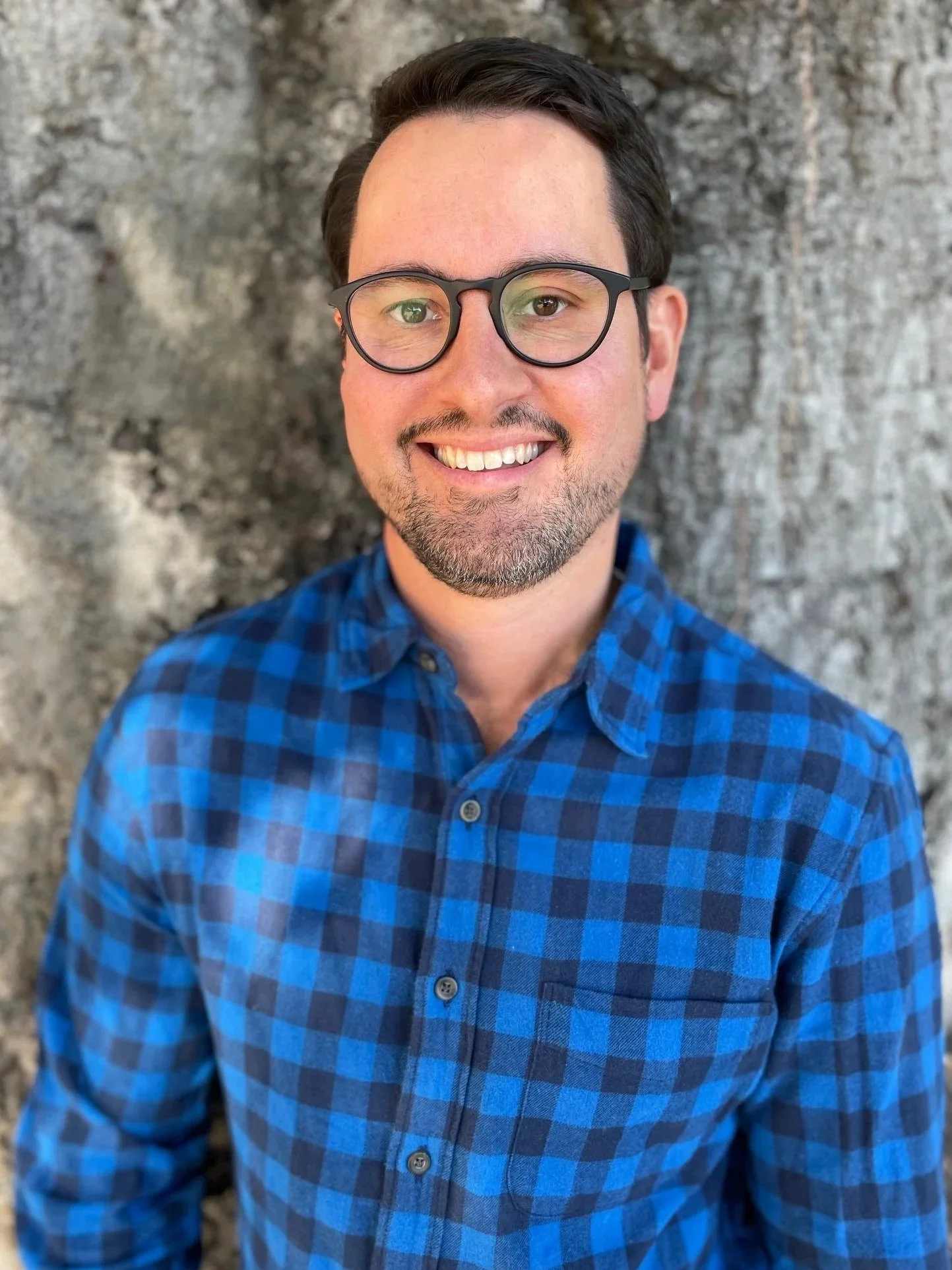
Michael Di Fuccia, PhD
Co-Founder
Director Spiritual Theology & Formation
| Platform to Table
I envisage Spiritual Direction as two friends on a pilgrimage traversing the mountains and valleys of life. As we journey together the directee experiences an ever-deepening awareness of God’s abiding presence and love. I believe that if we are brave enough to examine our biggest fears and doubts, and to explore our deepest desires, we discover that God is love.
-
I was baptized as an infant in the Catholic Church but was raised primarily in the Baptist Church. In my early twenties, as an undergraduate student, I began attending an Assemblies of God church. It was during this time that God confirmed my calling to teach.
This sense of calling led me to seminary, where I received an MA in Biblical Interpretation and Pre-Doctoral Studies, and to the eventual completion of a PhD in Theology at the University of Nottingham under the supervision of Professor John Milbank. I have taught theology at colleges and universities, and I am published at both the academic and popular levels.
Presently, I am the Director of Research and Communications at the Martin Institute for Christianity and Culture at Westmont College, where I also co-direct the Cultura Fellowship and lead the Conversatio Divina editorial team. I am a Research Fellow for the Centre of Theology and Philosophy, UK. I am certified as a Spiritual Director through the Anglican Diocese in New England.
-
In 2015, just after completing my PhD and moving back to the States, God began a reconstruction process in me. During that season, I was wrestling with integrating the rich patristic theology I’d grown to love with my interior life. It was at this time that I began working with a Spiritual Director to help me (re)form my God-image.
This season was paradoxically disorienting and transformational. Coupling 12-Step spirituality with that of Spanish mystics like St. John of the Cross and St. Teresa of Ávila gave witness to my experience and contextualized my journey in ways my early spirituality could not. This experience was so meaningful to me that I became a Spiritual Director to be with others in their spiritual disorientation.
-
I see my vocation primarily as a “soul friend.” Friendship is something I love. It comes very naturally to me. I love to see friends connect with one another and with God. I especially love friends who, like me, can admit they don’t have the spiritual life all sorted out. In fact, I find myself drawn to friends who have deconstructed and/or are wrestling with deep doubt, especially those who’ve become agnostic or atheist. When we are brave enough to face our doubts, I believe God is most at work in us.
My approach to direction balances the rich mysticism of Carmelite spirituality with the practical discernment of Ignatian spirituality. Occasionally, the teacher in me comes out, whether in one-to-one settings or in leading retreats, but what most interests me is creating space for others to befriend God. Spiritual direction is one of the primary ways that happens.
Request a Session
“Therefore, careful and informed spiritual direction is essential if the Charismatic movement is to make progress. The movement needs to create within it a network of spiritual guides who can help individuals through peak experiences and enable them to cope with the inevitable experience of darkness for which traditional Pentecostal spirituality may leave them unprepared . . . Those who, through the Charismatic renewal, have come to a deeper experience of the Spirit's power need personal guidance in order that they can make progress and not become fixated at a particular stage in Christian experience. Personal guidance is necessary so that the radical movements of Christian discipleship will be helped to relate the inner and outer worlds in a spiritual direction which takes account of the movement towards human liberation in our time. Never was spiritual direction more urgently called for than in the present climate of soul searching.”
— Kenneth Leech
Soul Friend: Spiritual Direction in the Modern World, (pp. 27-29)


